
Optical Manufacturing Capabilities: Diamond Turning, CNC Grinding, Polishing, Centering, and Metrology
Cimcoop operates seven core optical manufacturing processes in a single vertically integrated facility: single point diamond turning (SPDT), CNC grinding, CNC polishing, pitch polishing, CNC centering, cementing and varnishing, and precision metrology. The facility handles optics from 1 to 200 mm diameter across infrared and visible materials. Every process is ISO 9001:2015 certified with full traceability, and every shipment includes certificates of conformity and metrology reports.
Seven core processes. One vertically integrated facility. Every step in-house — from raw crystal to finished, inspected optic.
At a Glance.
Seven capabilities. One facility. Zero outsourcing.
7 Core Processes
Diamond turning, CNC grinding, polishing, pitch polishing, centering, cementing, and metrology — all under one roof.
200mm Max Diameter
Optics up to 200mm on both diamond turning and centering platforms. Single piece or production volumes.
±0.01mm Tolerance
CNC centering with micrometer precision. Truncated shapes, steps, and complex geometries.
ISO 9001:2015
Certified quality management. Every shipment with COC and material certificates.
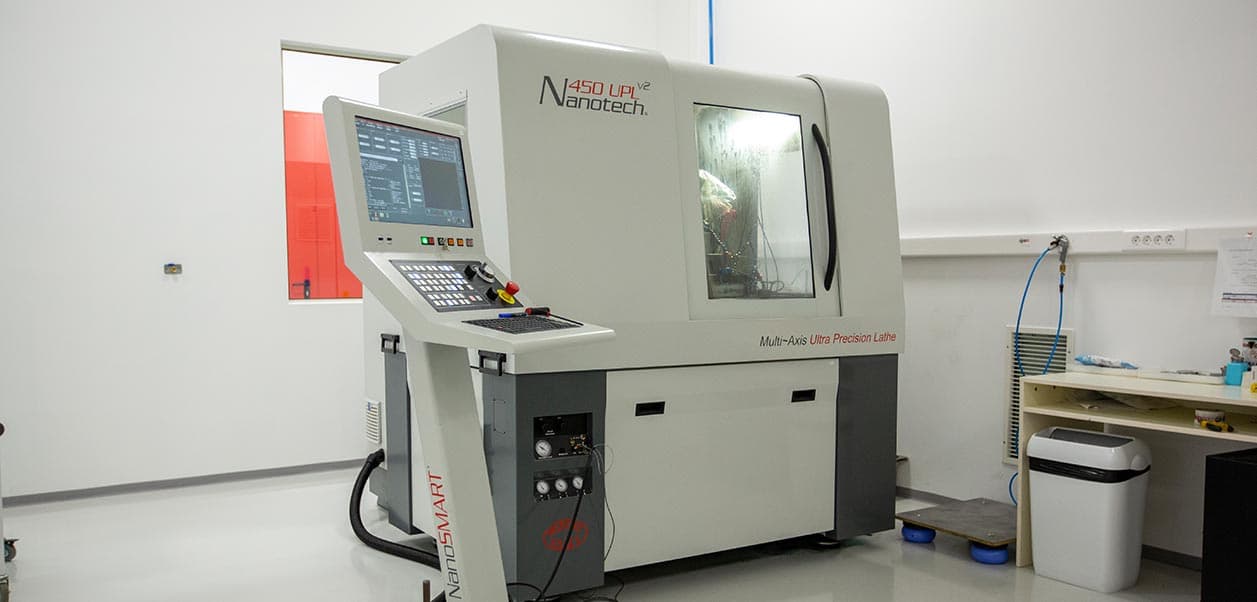
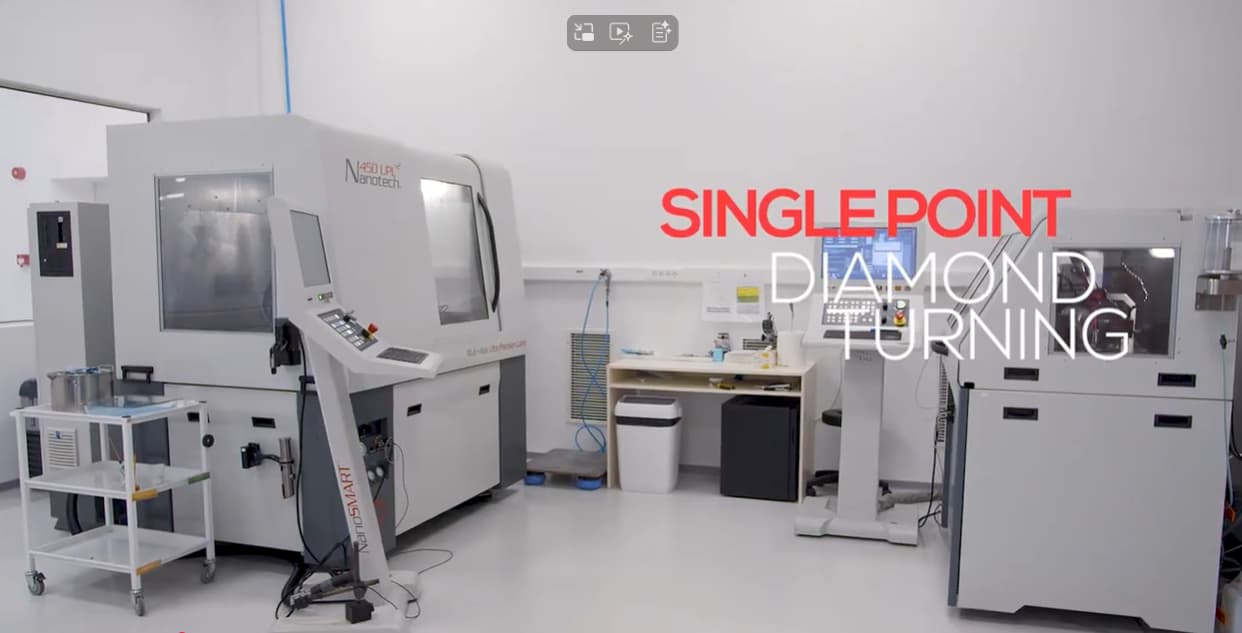
Single Point Diamond Turning
Single-point natural diamond tools producing optical surfaces with nanometer-level precision. SPDT enables complex surface geometries impossible with conventional grinding — the cornerstone of our IR optics manufacturing.
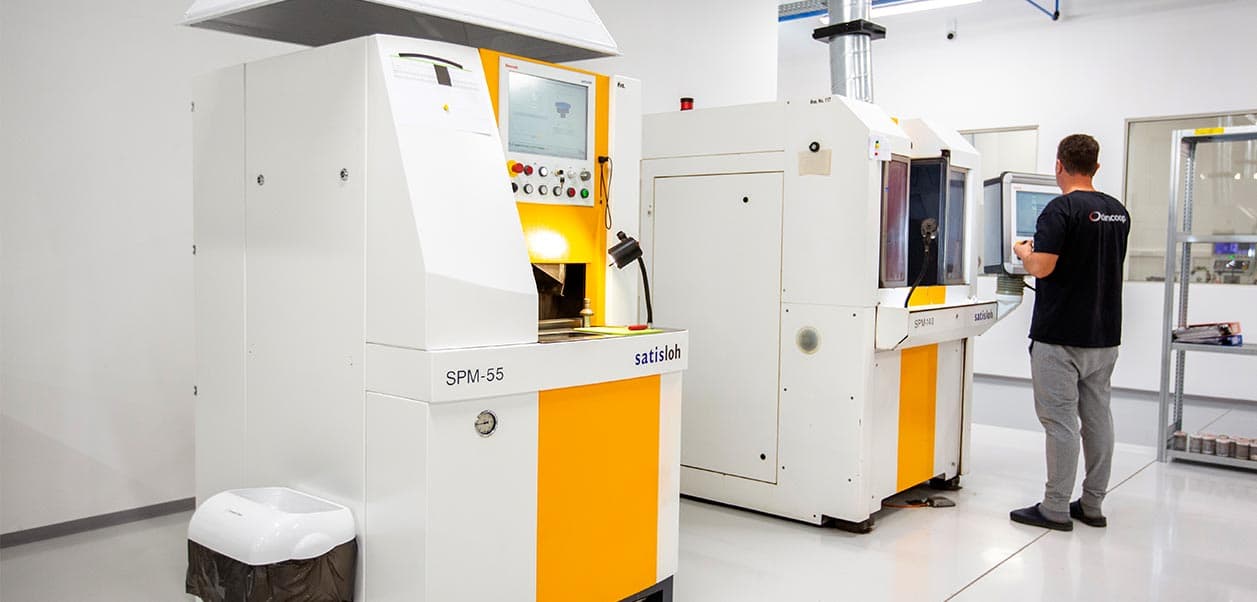
CNC Grinding
Computer-controlled grinding that shapes spherical and flat optical surfaces on crystalline and glass substrates. The foundation of our surface generation process.
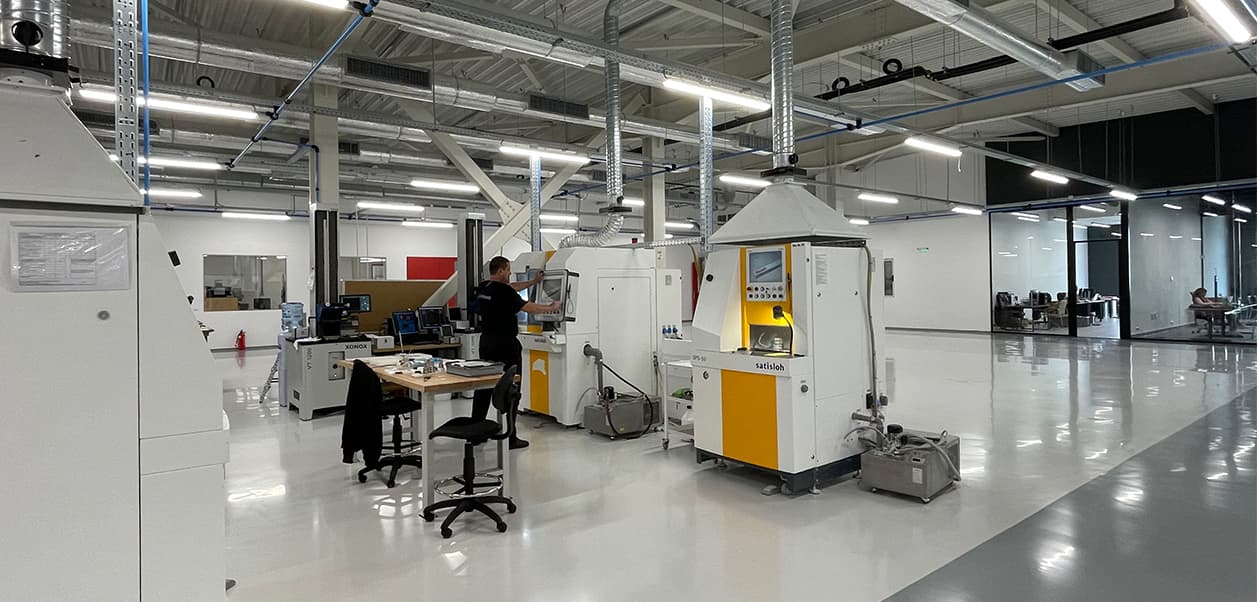
CNC Polishing
Consistent, repeatable spherical surface finishes on optical glass and fused silica. Computer-controlled tool paths ensure tight form accuracy across production runs.
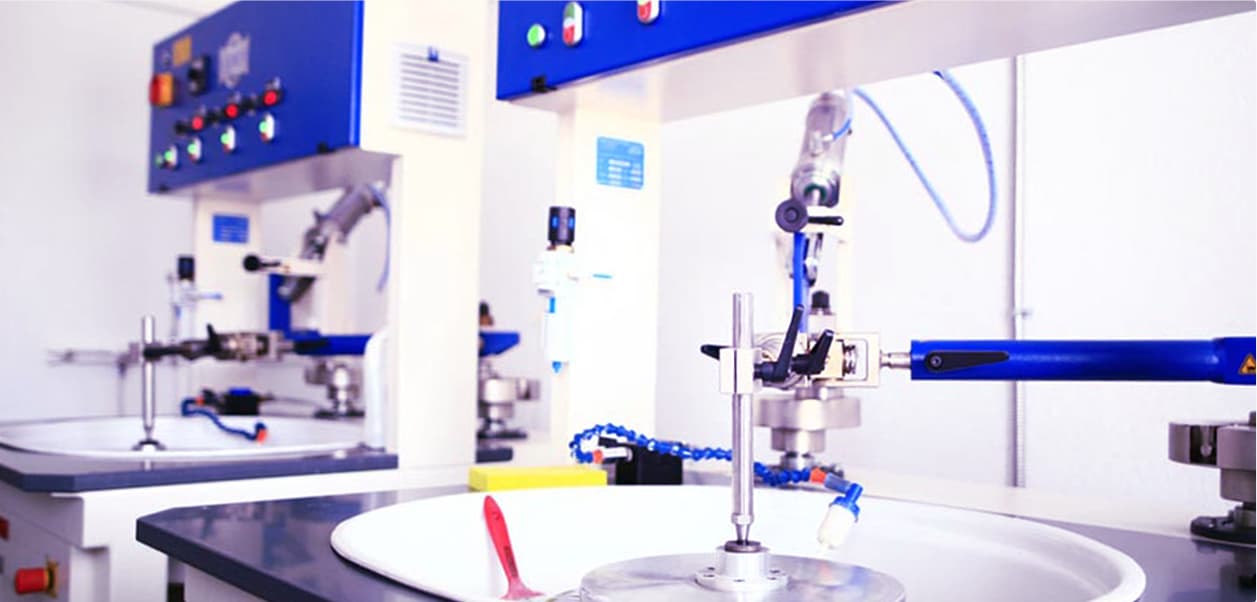
Pitch Polishing
A traditional craft technique unmatched for surface form quality. Skilled opticians working with carefully prepared pitch laps — for when no compromise on form accuracy is acceptable.
CNC Centering
Precise alignment of optical and mechanical axes. Diameters up to 200mm with ±0.01mm tolerances — including truncated shapes and stepped geometries for complex assemblies.
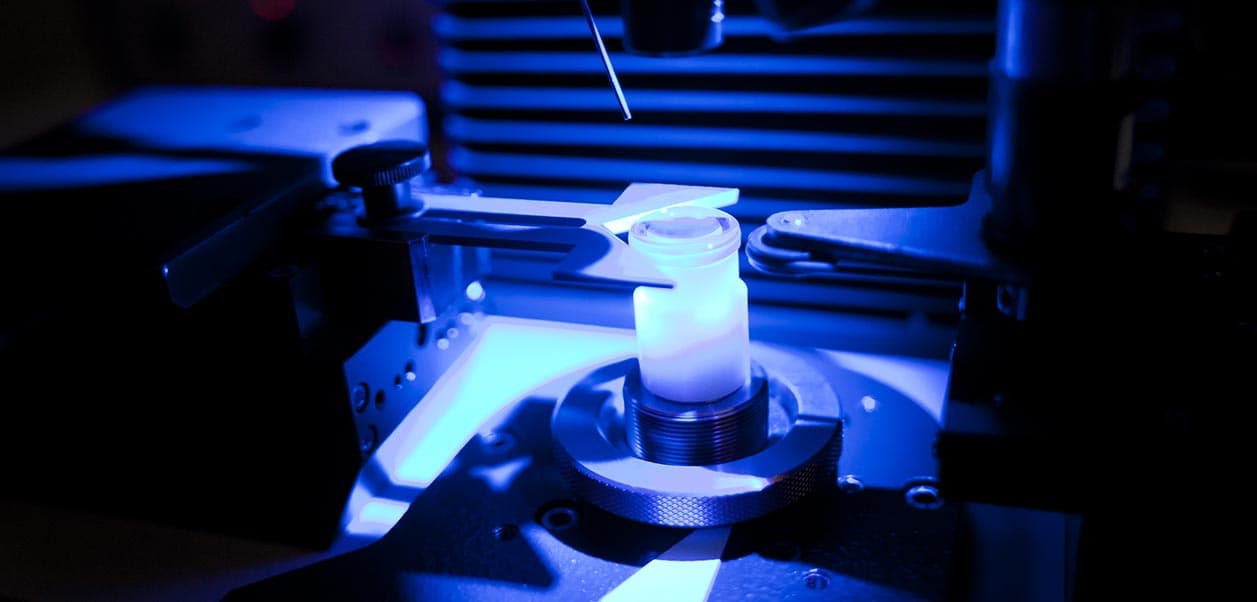
Cementing & Varnishing
Assembly of multi-element optical groups — achromatic doublets, triplets, and cube beam-splitters. Zoom camera-equipped varnishing stations for uniform, defect-free edge coatings.
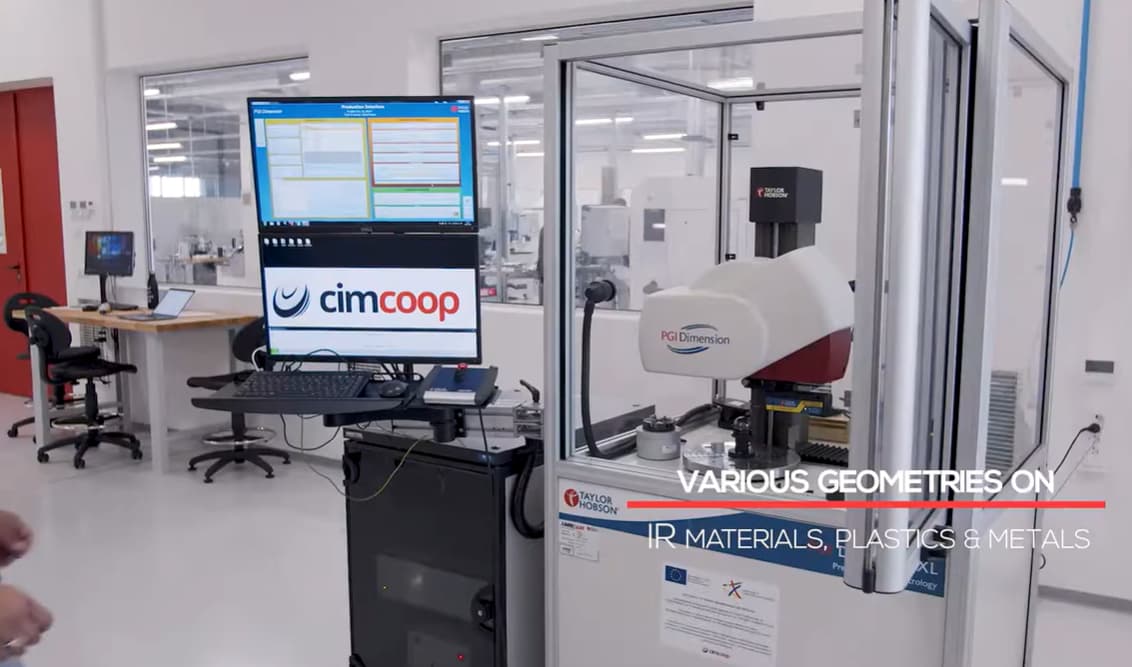
Precision Metrology
Climate-controlled lab with industry-leading instruments verifying surface form, roughness, centration, and wavefront quality. ISO 9001 calibration schedules. Every shipment ships with COC and material certificates.
FAQ
Frequently Asked Questions
What manufacturing processes does Cimcoop perform in-house?
Cimcoop performs seven core processes in-house: single point diamond turning (SPDT), CNC grinding, CNC polishing, pitch polishing, CNC centering, optical cementing and varnishing, and precision metrology. All processes are under one roof with zero outsourcing.
What is single point diamond turning?
Single point diamond turning (SPDT) is an ultra-precision machining process that uses a natural diamond tool to cut optical surfaces with nanometer-level precision. It enables complex surface geometries — aspherical, diffractive, and freeform — that are impossible with conventional grinding.
What metrology equipment does Cimcoop use?
Cimcoop's climate-controlled metrology lab includes Taylor Hobson PGI Dimension 3XL surface profilers, Zygo ZeGage white-light interferometers, autocollimators for angular measurement, FTIR spectroscopy, and UV-VIS spectrophotometry.
What is the maximum optic diameter Cimcoop can produce?
Cimcoop's diamond turning and centering platforms handle optics up to 200 mm in diameter.
Have Specs? Let's Talk.
Send us your requirements. Our engineering team will recommend the optimal process and quote within 48 hours.